Human Diabetic Primary Lung Fibroblast Cells
BVXDF01386
Certified
QualityGlobal
ShippingSupport
24/7Datasheet
AvailableProduct Details
Size
1ml
Product Code
BVXDF01386
Product Data Sheet
Technical Documentation
Download detailed specifications, protocols, and safety information
File size: 39.4 KB
Quick Specifications
- Product Type: Human Type II Diabetes Endothelial Cells
- Viability: >95% viable (Trypan Blue exclusion)
- Storage: Store in liquid nitrogen vapor phase (-196°C) for long-term. Ship on dry ice (-80°C).
- Shelf Life: Very stable in the Liquid Nitrogen Vapor Phase
- Catalog: BVXDF01386
- Growth: Primary cells capable of multiple passages when using recommended medium and proper handling
Human Diabetic Primary Lung Fibroblast Cells
Product Description
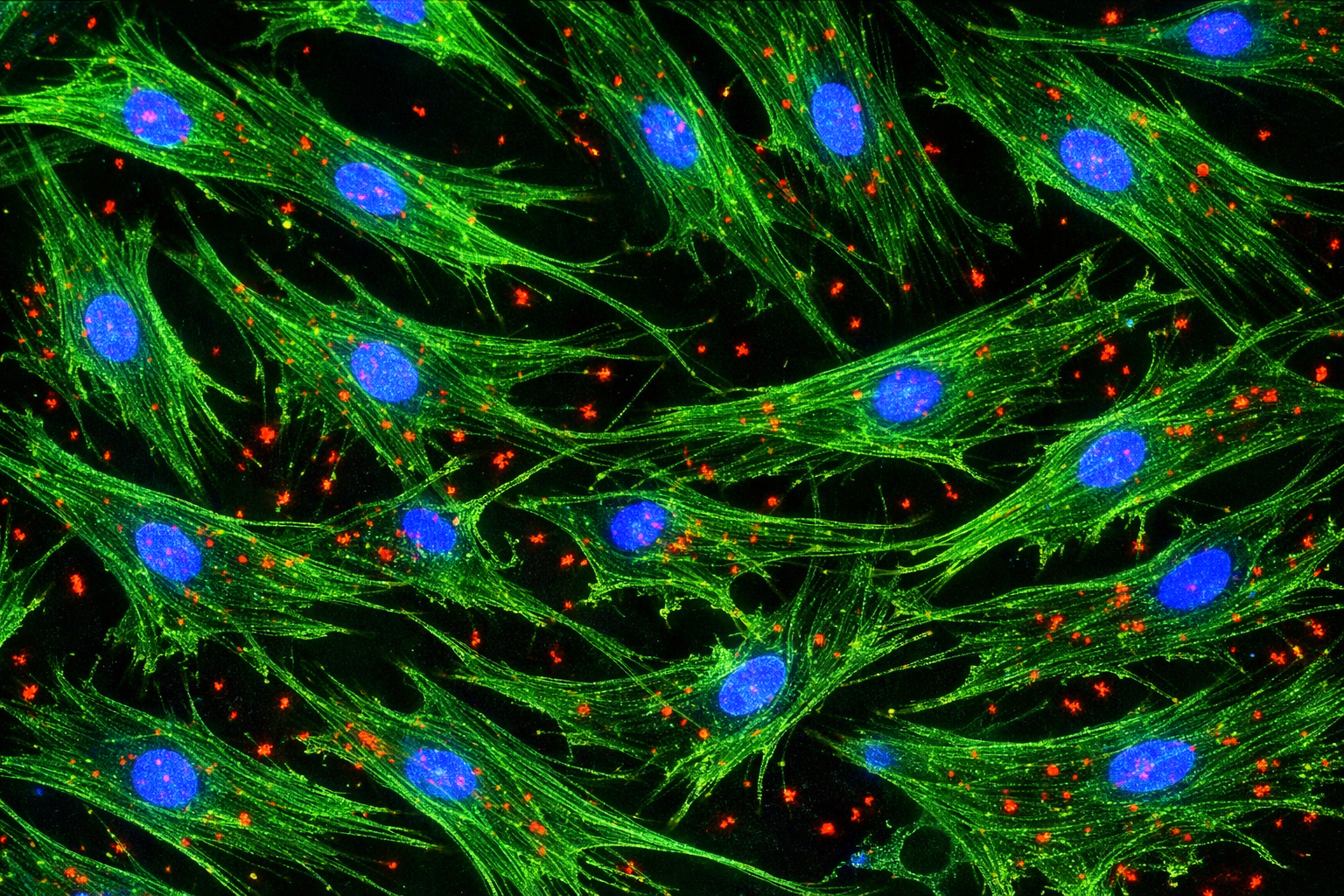
Human Diabetic Primary Lung Fibroblast Cells are specialized connective tissue cells that originate from lung tissue harvested from individuals diagnosed with diabetes. These cells are part of the body's intricate network of fibroblasts, which play essential roles in maintaining the structural integrity of the lungs and facilitating various physiological processes. Guarantee expansion for a minimum of 2-5 population doublings. IMPORTANT: Quality warranty requires use of Bioverax media. Biohazardous material despite negative pathogen testing. Quality claims must be reported within 1 month.
Key Features & Benefits
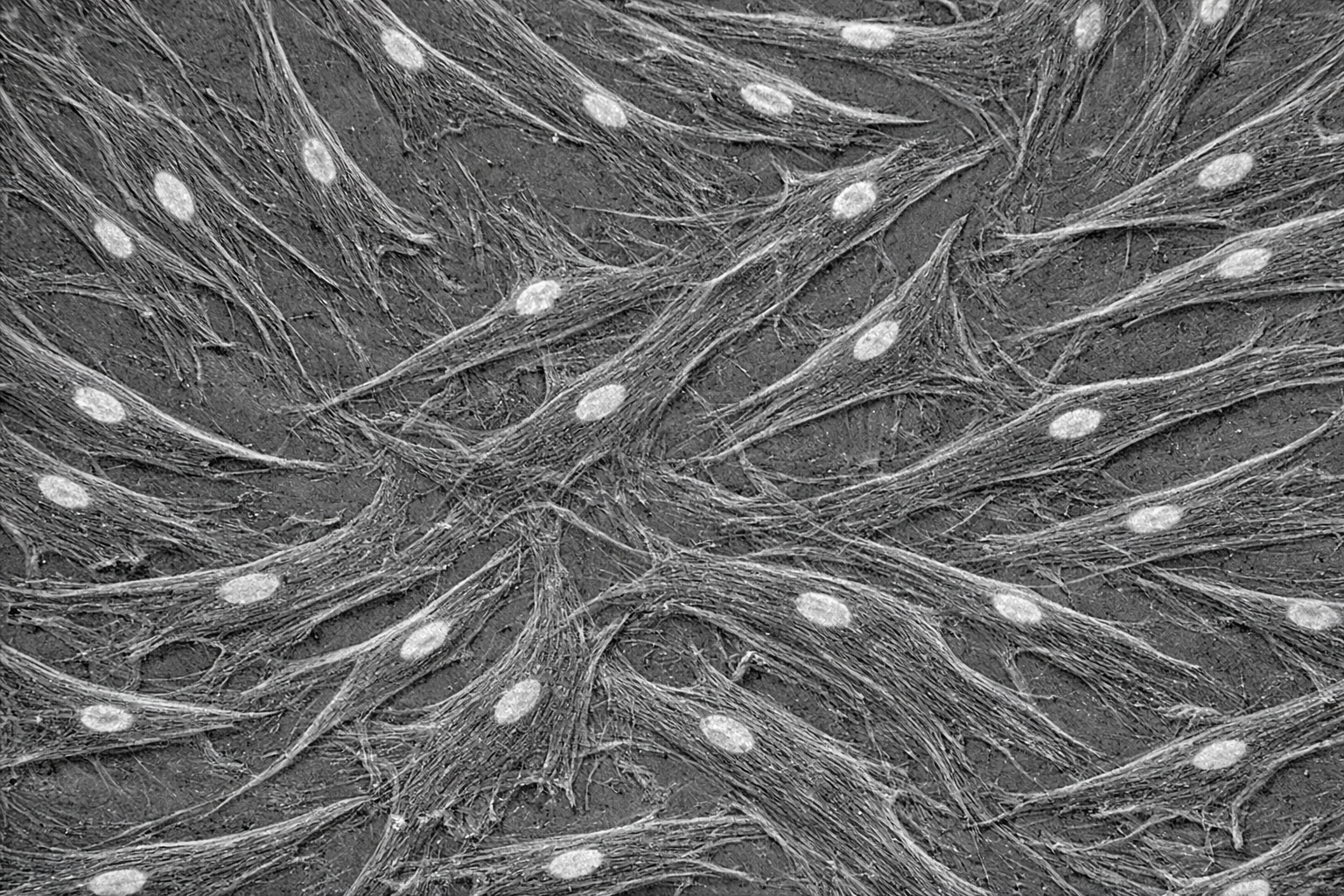
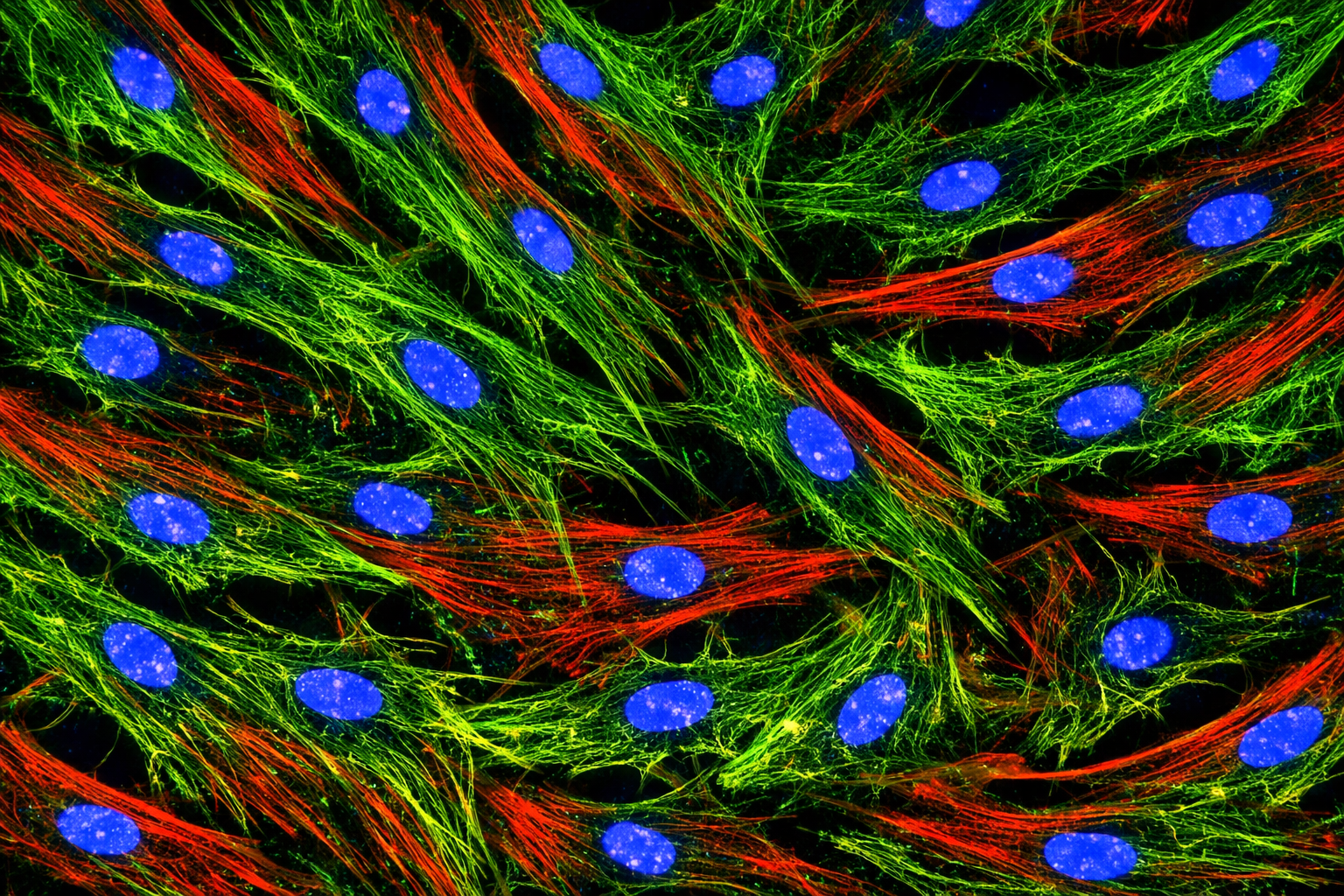
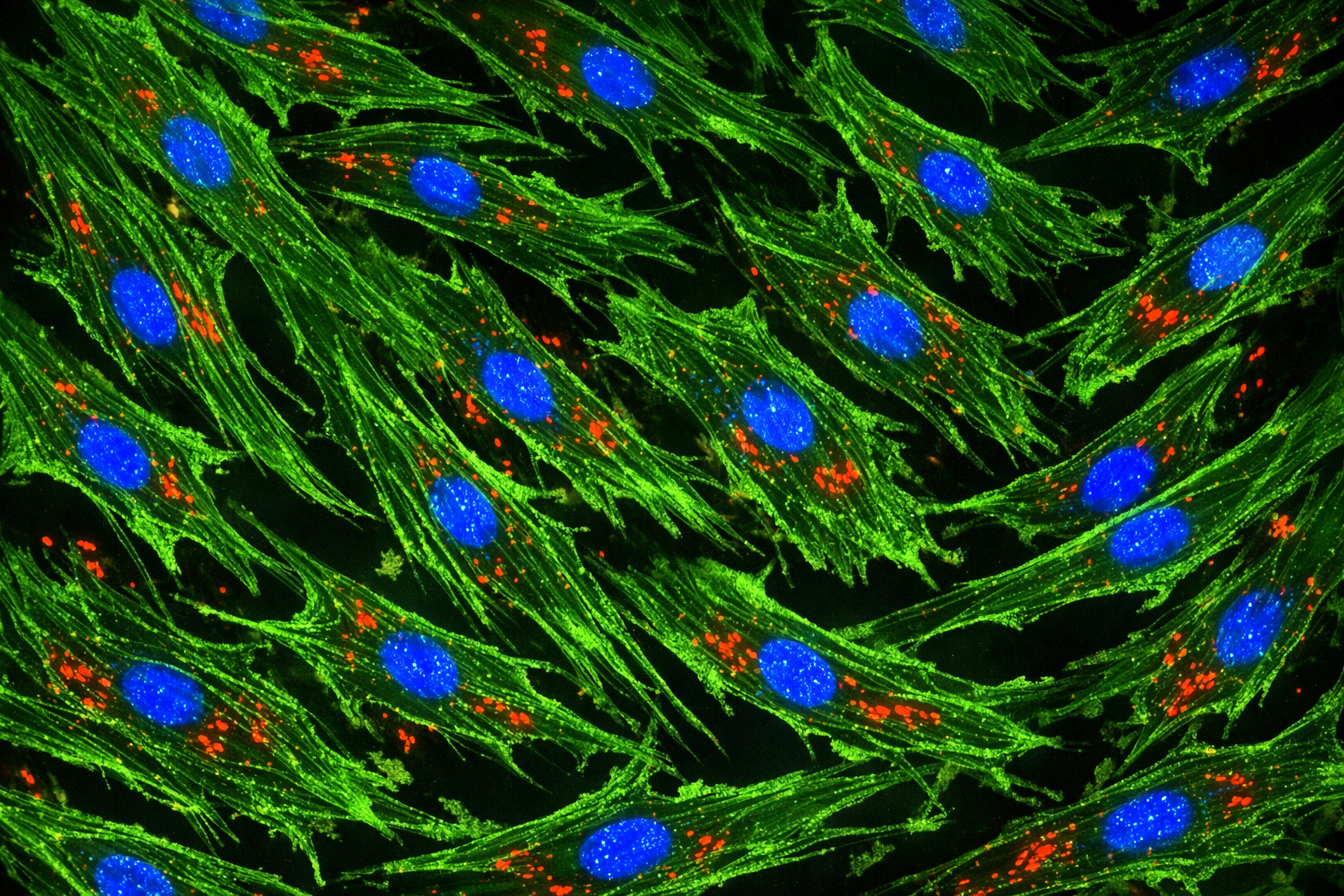
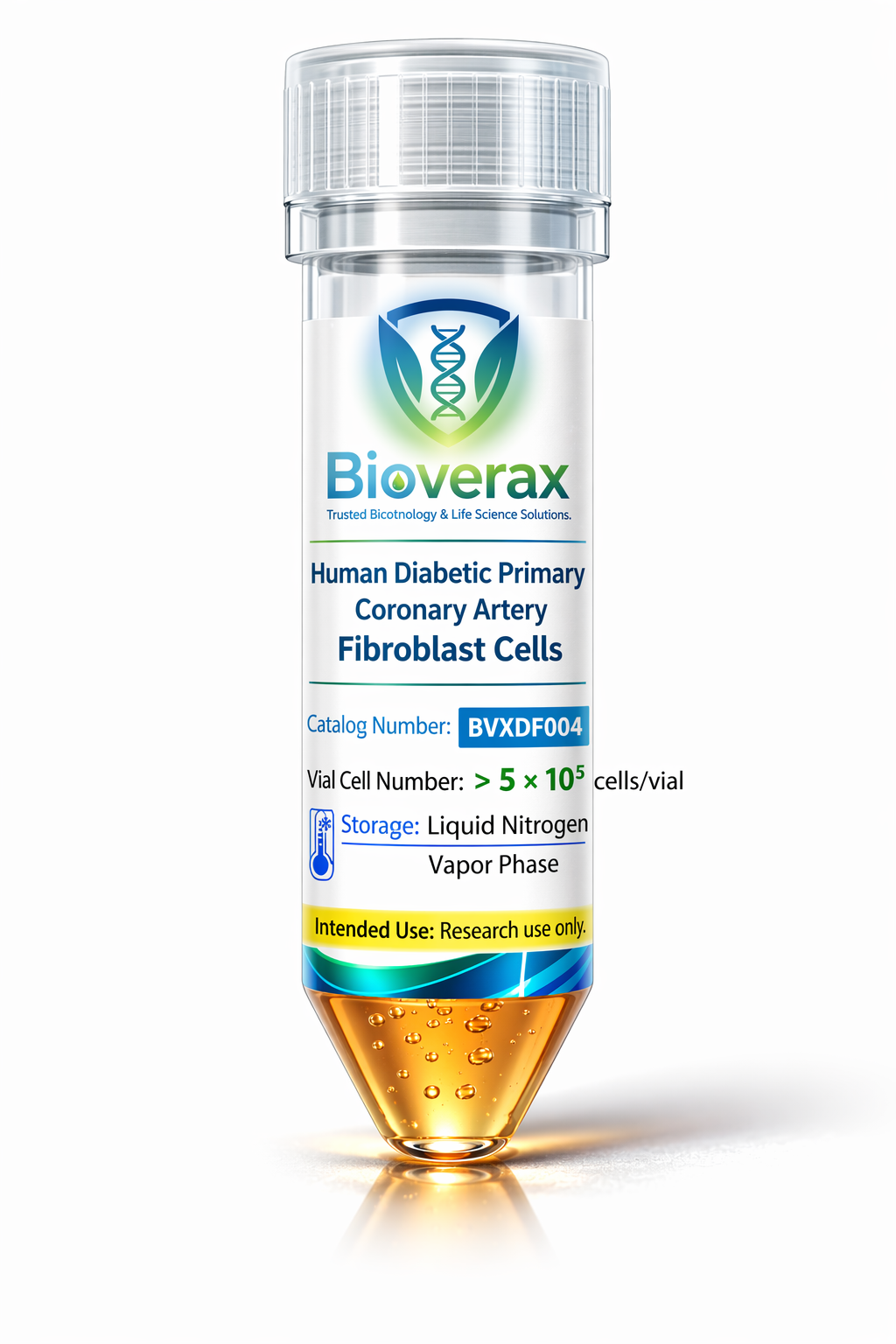
Catalog Number: BVXDF01386 Product Format: Frozen Vial Cell Number: > 5x10[5] cells/vial Passage:1(P1) Storage: Liquid Nitrogen, Vapor Phase Intended Use: Research use only (RUO) Characterization Markers - Characterized by spindle morphology under light microscopy. - Negative for von Willebrand Factor (vWF) , Cytokeratin 18, and alpha-smooth muscle actin . - Isolated and characterized to ensure fibroblast purity and identity.
Quick Facts
Product Type
Human Type II Diabetes Endothelial Cells
Viability
>95% viable (Trypan Blue exclusion)
Storage
Store in liquid nitrogen vapor phase (-196°C) for long-term. Ship on dry ice (-80°C).
Shelf Life
Very stable in the Liquid Nitrogen Vapor Phase
Applications
Technical Specifications
| Product Type | Human Type II Diabetes Endothelial Cells |
|---|---|
| Viability | >95% viable (Trypan Blue exclusion) |
| Proliferative Capability | Primary cells capable of multiple passages when using recommended medium and proper handling |
| Storage Conditions | Store in liquid nitrogen vapor phase (-196°C) for long-term. Ship on dry ice (-80°C). |
| Shelf Life | Very stable in the Liquid Nitrogen Vapor Phase |
| Product Code | BVXDF01386 |
| Size/Format | 1ml |
| Category | Primary Cells |
Primary Applications
Applications & Use Cases
Primary Applications
A. Diabetic Lung Disease (Diabetic Pneumopathy) Researchers use these cells to understand why Type 2 diabetics have an increased risk of developing idiopathic pulmonary fibrosis (IPF) and why diabetics have worse outcomes in Acute Respiratory Distress Syndrome (ARDS) and COVID-19. B. Wound Healing & Repair Diabetes impairs wound healing. In the lung
Suitable for a. diabetic lung disease (diabetic pneumopathy) researchers use these cells to understand why type 2 diabetics have an increased risk of developing idiopathic pulmonary fibrosis (ipf) and why diabetics have worse outcomes in acute respiratory distress syndrome (ards) and covid-19. b. wound healing & repair diabetes impairs wound healing. in the lung studies and research applications
this translates to abnormal repair following injury. These cells are used to study: Impaired migration (chemotaxis). Dysregulated proliferation. Matrix metalloproteinase (MMP) / Tissue inhibitor of metalloproteinase (TIMP) imbalance (leading to either excessive degradation or excessive scarring). C. Drug Discovery & Toxicology These cells serve as a 'diseased model' for screening: Anti-fibrotics: Testing drugs like Pirfenidone or Nintedanib on diabetic fibroblasts to see if efficacy differs from non-diabetic cells. Senolytics: Since diabetes accelerates cellular senescence
Suitable for this translates to abnormal repair following injury. these cells are used to study: impaired migration (chemotaxis). dysregulated proliferation. matrix metalloproteinase (mmp) / tissue inhibitor of metalloproteinase (timp) imbalance (leading to either excessive degradation or excessive scarring). c. drug discovery & toxicology these cells serve as a 'diseased model' for screening: anti-fibrotics: testing drugs like pirfenidone or nintedanib on diabetic fibroblasts to see if efficacy differs from non-diabetic cells. senolytics: since diabetes accelerates cellular senescence studies and research applications
these cells are used to test drugs that clear senescent cells (e.g.
Suitable for these cells are used to test drugs that clear senescent cells (e.g. studies and research applications
Dasatinib + Quercetin) to improve lung function.
Suitable for dasatinib + quercetin) to improve lung function. studies and research applications
Research Use Cases
In Vitro Studies
Cell culture and screening applications
Molecular Biology
Gene expression & signaling studies
Drug Discovery
Screening & validation studies
Technical Support & Documentation
Technical Support
Our experts are available for technical questions and protocol assistance.
Contact Support